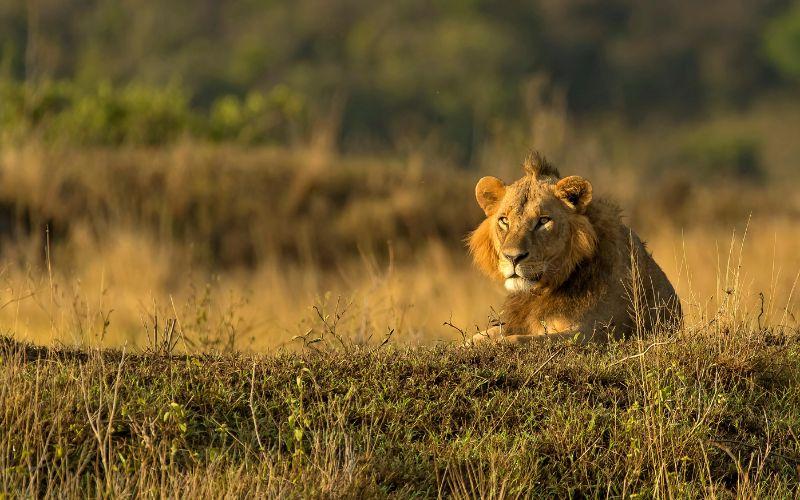
Tanzania is one of Africa’s most spectacular safari destinations, offering incredible wildlife encounters, breathtaking landscapes, and beautiful tropical beaches. From the endless plains of the Serengeti National Park to the elephant-filled landscapes of Tarangire National Park and the white sandy beaches of Zanzibar, Tanzania has something to offer travelers throughout the year.
However, the best time to visit Tanzania depends on what you want to experience. Some months are ideal for wildlife viewing and witnessing the Great Wildebeest Migration, while others offer excellent opportunities for birdwatching, photography, and more affordable safari holidays.
In this month-by-month guide, we explore the best time to visit Tanzania, what to expect during each season, and how to choose the right time for your safari adventure.
When Is the Best Time to Visit Tanzania?
Generally, June to October is considered the best time to visit Tanzania for a traditional wildlife safari. This is the dry season, when vegetation becomes thinner, animals gather around water sources, and wildlife is often easier to spot.
However, other months can be equally rewarding depending on your travel interests.
- June to October: Excellent wildlife viewing, dry weather, and opportunities to witness dramatic river crossings during the Great Migration when the herds are in the relevant areas.
- January to February: A fantastic time to visit the southern Serengeti and Ndutu for the wildebeest calving season.
- March to May: The main rainy season, with green landscapes, fewer visitors in many areas, and potential savings on selected accommodation.
- November to December: Short rains transform the scenery, offering lush landscapes, birdwatching opportunities, and rewarding safari experiences.
There is no single perfect month for every traveler. Choosing the right time depends on your preferred destinations, budget, wildlife interests, and tolerance for rain.
Tanzania Weather and Safari Seasons
Tanzania generally experiences two main rainy periods: the long rains, usually from March to May, and the short rains, typically from November to December. However, rainfall patterns vary by region and altitude, and some areas experience different seasonal conditions.
The dry season usually runs from June to October, although January and February can also offer excellent safari conditions in many destinations.
The Dry Season: June to October
The dry season is popular because roads are generally more accessible, vegetation is less dense, and wildlife tends to concentrate around permanent water sources. It is particularly rewarding for travelers visiting the Serengeti, Ngorongoro Conservation Area, and Tarangire National Park.
This is also a busy travel period, especially from July to September. Booking accommodation and safari activities well in advance is advisable if you plan to travel during peak season.
The Green Season: November to May
The green season brings renewed vegetation, dramatic skies, seasonal water sources, and excellent opportunities for photography. Many migratory birds arrive during this period, and the southern Serengeti becomes a major wildlife destination during the wildebeest calving season.
Although some days can be rainy, safaris continue throughout much of the year. Travelers may also find lower rates at selected lodges during quieter periods, particularly in the long rainy season.
Best Time to Visit Tanzania Month by Month
January: Wildlife and Calving Season Approaches
January is an excellent month to visit Tanzania, particularly if you want to explore the Serengeti and Ngorongoro region. The southern Serengeti and Ndutu plains often attract large concentrations of wildebeest as the herds prepare for the calving season.
The landscape is generally green following the short rains, creating beautiful scenery for photography. Resident wildlife, including lions, elephants, giraffes, zebras, and buffaloes, can be seen throughout many of Tanzania’s major parks.
January is also a good time to combine a wildlife safari with a beach holiday in Zanzibar, although occasional showers are possible.
Best for: Green landscapes, photography, wildlife viewing, and early calving-season experiences.
February: The Great Wildebeest Calving Season
February is one of the most exciting months for wildlife enthusiasts visiting Tanzania. The southern Serengeti and Ndutu area are often the center of the wildebeest calving season, when thousands of calves may be born over a relatively short period.
The abundance of young animals attracts predators, creating opportunities to observe natural wildlife behavior. Lions, cheetahs, hyenas, and other predators are active across the plains.
February is particularly rewarding for travelers interested in predator-prey interactions and wildlife photography. However, the precise location of the herds depends on rainfall and grazing conditions.
Best for: Wildebeest calving, predator sightings, wildlife photography, and birdwatching.
March: Lush Scenery and Fewer Crowds
March marks the transition toward Tanzania’s long rainy season. Early in the month, safari conditions can still be very good, especially in the Serengeti and Ngorongoro region.
The countryside becomes increasingly green, and the scenery is particularly attractive for photography. Wildlife remains present throughout the national parks, although rainfall can affect road conditions as the month progresses.
Travelers who prefer quieter destinations may appreciate March, but flexible schedules are useful because heavy showers can occasionally disrupt driving times.
Best for: Green landscapes, photography, birdwatching, and potentially quieter safari experiences.
April: The Long Rainy Season
April is generally one of Tanzania’s wettest months. Heavy rainfall can make some roads muddy, lengthen driving times, and affect access to certain camps or remote areas.
Nevertheless, April offers beautiful green scenery and opportunities to experience Tanzania away from the busiest tourist period. Some lodges offer seasonal discounts, although availability and savings vary.
Travelers considering an April safari should select accommodation carefully and work with an experienced tour operator who can recommend suitable routes and adjust plans when necessary.
Best for: Travelers seeking quieter safaris, lush scenery, and potential low-season accommodation rates.
May: Green Landscapes and the Transition Toward Dry Weather
May usually remains part of the long rainy season, although conditions vary from year to year and across different regions.
The Serengeti’s wildebeest herds may begin moving toward the western corridor and other grazing areas as the migration progresses. Wildlife viewing can still be rewarding, while the green vegetation and dramatic cloud formations create excellent photographic opportunities.
Some camps may have seasonal closures, so it is important to confirm that your preferred accommodation is operating during your travel dates.
Best for: Scenic photography, fewer crowds, and travelers with flexible itineraries.
June: The Start of the Prime Dry Season
June is an excellent time to visit Tanzania as conditions generally become drier. The landscape begins to lose some of its lush vegetation, and wildlife viewing improves in many areas.
The Great Wildebeest Migration may move through the western Serengeti, depending on rainfall and grazing conditions. Tarangire National Park also begins becoming increasingly attractive as elephants and other animals gather near dependable water sources.
June can offer a good balance between favorable safari conditions and slightly lower visitor numbers than the busiest weeks of the peak season.
Best for: General wildlife viewing, photography, and early dry-season safaris.
July: A Popular Month for the Great Migration
July is one of Tanzania’s busiest safari months. Large wildebeest herds often move through the western and northern Serengeti, and river crossings may begin in parts of the migration route.
These crossings are unpredictable natural events. Herd movements depend on rainfall, grazing conditions, and the animals’ instincts, so sightings cannot be guaranteed on a particular day.
The dry weather also makes July an excellent month for exploring Ngorongoro Crater, Tarangire, and other popular safari destinations.
Best for: Dry-season safaris, migration viewing, and excellent general wildlife opportunities.
August: Wildlife Viewing and Northern Serengeti Adventures
August is a peak safari month, particularly for travelers hoping to see the Great Migration in the northern Serengeti. Herds may gather near the Mara River, where some attempt to cross into Kenya’s Maasai Mara ecosystem.
River crossings can be dramatic, but they do not occur on a fixed schedule. Spending several days in the appropriate area may improve your opportunities to witness migration activity.
August is also suitable for travelers visiting Ngorongoro Crater, Tarangire, and other northern Tanzania parks.
Because demand is high, early reservations are recommended for popular camps and lodges.
Best for: Northern Serengeti safaris, potential river crossings, and dry-season wildlife viewing.
September: Excellent Conditions for Wildlife Safaris
September continues the dry season and is one of the most reliable months for a traditional safari across much of northern Tanzania.
Wildlife can be easier to locate around rivers and other water sources, while the reduced vegetation improves visibility in many areas. The northern Serengeti may continue to offer migration viewing opportunities, depending on the movement of the herds.
September is also a good month to combine a safari with a relaxing stay on Zanzibar’s beaches.
Best for: Wildlife viewing, photography, migration safaris, and combining safari and beach holidays.
October: The End of the Main Dry Season
October is generally a rewarding month for wildlife viewing, although conditions become increasingly dependent on the timing of the first short rains.
Tarangire remains a strong option for elephant sightings, while the Serengeti and Ngorongoro region continue to offer excellent wildlife opportunities. The location of the Great Migration varies, so itineraries should be planned around recent herd movements rather than fixed calendar expectations.
October may also appeal to travelers who want a dry-season safari before the short rains become more established.
Best for: Elephants, general wildlife viewing, photography, and late dry-season adventures.
November: Short Rains and Green Landscapes
November usually brings the short rains to parts of Tanzania. Showers are often intermittent, although heavier rainfall can occur.
The Serengeti begins transitioning toward the southern plains as the herds follow fresh grazing. This movement can create rewarding wildlife encounters, but the timing varies each year.
Birdwatching becomes particularly attractive as migratory species arrive, and the green scenery offers a different perspective from the dry-season landscape.
Best for: Birdwatching, green landscapes, photography, and potentially quieter safari experiences.
December: Festive Safaris and Beach Holidays
December is a popular month for family holidays, festive-season travel, and combined safari-and-beach experiences. The short rains may continue early in the month, while conditions often vary as the month progresses.
The southern Serengeti and Ndutu plains may begin attracting large wildebeest herds as the animals move toward the calving grounds. Wildlife viewing remains possible throughout the year in Tanzania’s established safari destinations.
Zanzibar is also a popular addition to a December safari, offering warm tropical weather, beaches, and opportunities for cultural excursions.
Christmas and New Year are busy travel periods, so booking flights, accommodation, and safari packages well in advance is recommended.
Best for: Festive holidays, family safaris, beach escapes, and early migration-season experiences.
Best Time to See the Great Wildebeest Migration in Tanzania
The Great Wildebeest Migration is one of Africa’s most remarkable wildlife spectacles. Each year, millions of wildebeest, accompanied by zebras and other grazing animals, move across the Serengeti ecosystem in search of fresh grass and water.
The migration takes place throughout the year, meaning there is no single month when the entire spectacle can be seen in one location.
Here is a general guide to where the herds may be found:
- January to March: Southern Serengeti and Ndutu, when the calving season typically takes place.
- April to May: Movement through the central and western Serengeti, depending on rainfall.
- June to July: Western Serengeti and areas along the migration route toward the north.
- July to October: Northern Serengeti, where river crossings may occur.
- November to December: Movement toward the eastern and southern Serengeti plains.
These periods are approximate, not fixed dates. Rainfall, pasture availability, and herd movements influence the migration every year. If witnessing a particular stage is your priority, plan your itinerary around the most likely location and allow enough time for wildlife viewing.
Best Time to Visit Tanzania for Different Experiences
Best Time for a Wildlife Safari
June to October is generally excellent for wildlife viewing across northern Tanzania. The dry conditions make it easier to spot animals in many parks, especially near water sources.
January and February are also rewarding, particularly in the southern Serengeti during the calving season.
Best Time for the Big Five
Tanzania is home to the Big Five: lions, leopards, elephants, buffaloes, and rhinos. These animals can be seen throughout the year, although sightings are never guaranteed.
Ngorongoro Crater is a strong choice for travelers hoping to encounter several Big Five species during a relatively short visit. The Serengeti and Tarangire also offer excellent wildlife opportunities.
Best Time for a Zanzibar Beach Holiday
June to October is generally a favorable period for a beach holiday in Zanzibar, with relatively dry weather and comfortable conditions for outdoor activities.
January and February are also popular months for warm beach escapes, although temperatures can be hot and humid. March to May generally brings wetter conditions, while November and December can offer a mixture of sunshine and showers.
Best Time for Birdwatching
November to April is particularly rewarding for birdwatching, when migratory species join Tanzania’s resident bird populations. The greener scenery and seasonal water sources can also create attractive photography opportunities.
Best Time for Budget Safaris
March to May may offer lower accommodation rates in some destinations because of reduced demand during the long rains. However, some properties close seasonally, and weather can affect road access and travel times.
November can also be worth considering for travelers seeking a quieter experience. Compare the complete package price, including accommodation, transport, park fees, and activities, rather than choosing dates based on accommodation discounts alone.
What to Pack for a Tanzania Safari
Your packing list will depend on the month, destinations, and activities included in your itinerary.
For most safaris, consider bringing:
- Lightweight, neutral-colored clothing for game drives.
- A warm jacket or fleece for cool early mornings and evenings.
- Comfortable walking shoes or closed-toe footwear.
- Sunscreen, sunglasses, and a wide-brimmed hat.
- Insect repellent.
- Binoculars and a camera with spare batteries.
- A waterproof jacket during the rainy seasons.
- Personal medication and any required travel documents.
If you plan to visit Zanzibar after your safari, pack lightweight beachwear and appropriate clothing for cultural and religious sites.
Frequently Asked Questions About Visiting Tanzania
Is Tanzania good to visit all year round?
Yes. Tanzania offers wildlife viewing throughout the year, although weather conditions, road access, and wildlife movements vary by season. The best month depends on the parks you want to visit and the experiences you hope to enjoy.
What is the cheapest month to visit Tanzania?
March, April, and May may offer lower rates at selected lodges and camps because of the long rainy season. Prices vary by property, destination, and travel dates, so compare complete safari packages before booking.
When is the Great Migration river crossing season?
River crossings in the northern Serengeti are often associated with July to October, but the timing varies each year. The herds may cross multiple times or remain in one area for varying periods, and no operator can guarantee a crossing.
Is January a good month for a Tanzania safari?
Yes. January can be excellent for wildlife viewing, especially in the southern Serengeti and Ndutu region as the calving season approaches. It is also a good time to combine a safari with a Zanzibar beach holiday.
Is Tanzania suitable for a safari during the rainy season?
Yes. Safaris continue during the rainy season, and travelers can enjoy lush landscapes, birdwatching, and fewer crowds in some destinations. However, heavy rain can affect road conditions, driving times, and access to certain camps.
How many days do I need for a Tanzania safari?
A three- to four-day safari can provide a rewarding introduction to selected parks, while five to seven days allows more time to explore multiple destinations at a comfortable pace. Longer trips are ideal if you want to follow the Great Migration and add Zanzibar or other destinations.
Plan Your Tanzania Safari with Milana Tours and Safaris
The best time to visit Tanzania depends on your travel goals. Whether you dream of witnessing the Great Wildebeest Migration, photographing elephants across the Tarangire plains, exploring Ngorongoro Crater, or relaxing on Zanzibar’s beautiful beaches, choosing the right season can help you make the most of your trip.
At Milana Tours and Safaris, we help travelers plan Tanzania safari experiences based on their preferred destinations, travel dates, accommodation style, and budget. From short wildlife adventures to extended safaris combined with beach holidays, our team can help you create an itinerary suited to your interests.